
Diesel Fuel Polishing: A Comprehensive Guide
 Reading Time: 7 minutes
In the realm of diesel engines, fuel quality is not merely a component; it is the very lifeblood that dictates performance, efficiency, and the operational lifespan of the machinery. At the forefront of maintaining this critical element is the process of diesel fuel polishing.
We understand that for businesses and individuals relying on diesel power – from large-scale industrial operations and marine vessels to agricultural equipment and heavy-duty transportation – even minor contaminants can translate into significant downtime and costly repairs.
Understanding the Need For Pure Diesel Fuel
Diesel fuel, despite its robust nature, is susceptible to a variety of contaminants that can degrade its quality and compromise engine function. These impurities can originate from numerous sources. During refining and transportation, microscopic particles of rust, dirt, and manufacturing debris can enter the fuel.
Storage is another major culprit of problems. Tanks, especially older ones or those exposed to the elements, can accumulate water through condensation, creating a breeding ground for microbial growth. This growth, often referred to as “diesel bug,” forms biofilms that clog filters. Furthermore, fuel itself degrades over time, oxidizing and forming varnishes and sludge that impede fuel flow and correct atomization.
The consequences of such contamination are multifaceted and severe. Clogged fuel filters are an immediate and common symptom, leading to reduced engine power and eventual stalling. Fuel injectors, operating under immense pressure and requiring precise spray patterns, are particularly vulnerable.
Even microscopic abrasive particles can cause irreversible damage, leading to poor combustion, increased emissions, and a significant drop in fuel economy. In marine applications, the presence of water can lead to corrosion within fuel tanks and lines, a problem that can be exceptionally difficult and expensive to rectify. For critical equipment, such as generators or emergency response vehicles, fuel contamination can mean the difference between reliable operation and catastrophic failure at the most crucial moments. Maintaining pristine fuel is, therefore, not an option but a necessity.
Diesel Fuel Polishing: A Detailed Examination
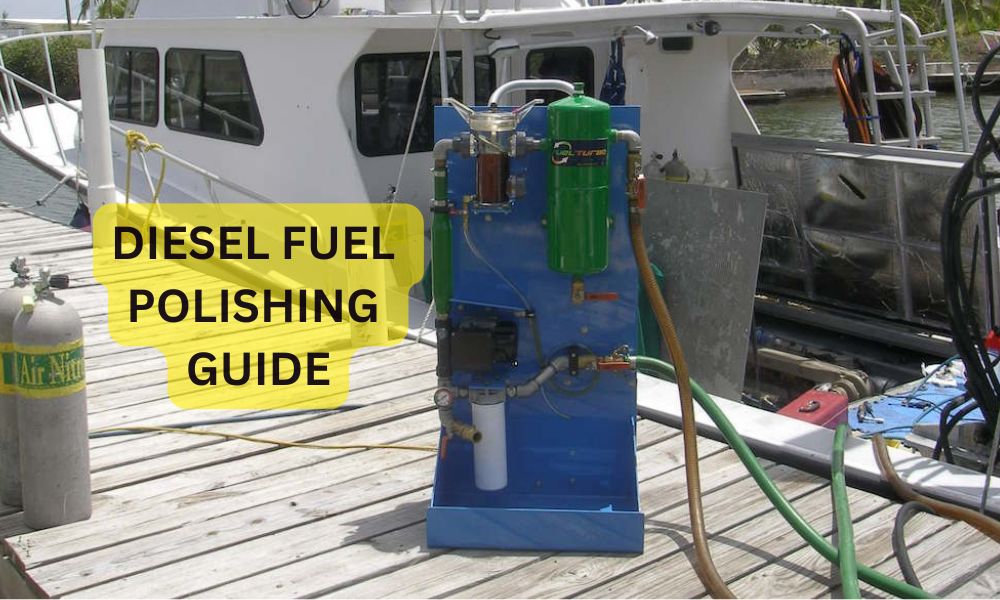
At its core, the process utilizes specialized equipment that draws fuel from the storage tank, subjects it to a series of treatment stages, and then returns the purified fuel (like a dialysis machine) back to the tank. This recirculation and treatment cycle is key to achieving a high level of cleanliness.
Types Of Polishing Systems
Two general system types exist, one system is a permanent fixture type unit on a marine vessel or a generator. This system operates normally on a timer automatically. The other system type s a polishing system desgned as a mobile unit that can work in the field on any job site.
DIY Fuel Polishing Systems
A fuel polisher unit can be made on a low budget, you just need a pump, filtration, wiring, plumbing and some basic mechanical skills like in the video below.
Professional Fuel Polishing Systems
Pro systems for any application are available from Algae-X based out of Fort Myers in Florida. They have been in the business for over 25 years so they pretty much know what they are doing that’s for sure
Fuel polishing typically includes
- Pre-filtration: The initial stage often involves passing the fuel through a coarse filter to remove larger particulate matter, such as rust flakes and sediment. This protects the subsequent, finer filters from premature clogging.
- Water Separation: A crucial component of any effective polishing system is its ability to remove free and emulsified water. Advanced water separators, often utilizing coalescing technology, are employed. These separators work by causing water droplets to combine (coalesce) into larger globules, which are then more easily removed and drained off due to their different density than the diesel fuel.
- Fine Filtration: This is where the bulk of particulate contamination is removed. High-efficiency filters, with low micron ratings are used. These filters are designed to capture the very small particles that can cause significant wear and operational issues. The selection of filter media is critical, with materials chosen for their ability to trap both solid particles and, in some advanced systems, absorb dissolved contaminants.
- Centrifugal Separation: Some polishing units incorporate a centrifuge. This device using centrifugal force through baffles to separate contaminants based on their density. Heavier particles and water are forced outwards and collected at the bottom, while the cleaner fuel remains in the top of the separator and this pass back to the tank. This method is particularly effective in increasing the life of the filters on the polisher unit
- Magnetic Conditioners: Some systems employ magnetic conditioners. This technology uses an magnetic charge to “revitalize” the fuel. We are not saying these magnets actually work but they are a good selling point when fuel polishers are promoting their services.
- Additive Injection: In some cases, specific fuel additives may be introduced during the polishing process to enhance fuel stability, prevent microbial growth, or improve combustion characteristics. However, the primary focus of polishing is mechanical and physical removal of contaminants.
The continuous recirculation through these stages is what differentiates polishing from a simple fuel filter change. It allows the system to progressively remove contaminants, gradually improving the overall quality of the fuel in the tank. The process is monitored, and samples are often taken before and after to verify the effectiveness of the treatment when complete.
Key Benefits of Diesel Fuel Polishing
The decision to invest in professional diesel fuel polishing yields a cascade of tangible benefits, directly impacting operational efficiency, cost-effectiveness, and asset longevity.
- Enhanced Engine Performance and Efficiency: By ensuring a clean and consistent fuel supply to the injectors, polishing eliminates the erratic spray patterns and incomplete combustion often caused by contaminants. This results in smoother engine operation, increased power output, and a noticeable improvement in fuel economy. Operators will observe a more responsive engine and better utilization of every liter of fuel.
- Extended Equipment Lifespan: The abrasive nature of particulate matter in diesel fuel is a primary driver of wear in critical engine components, particularly fuel pumps and injectors. By removing these damaging particles, fuel polishing significantly reduces wear and tear, thereby extending the operational life of these expensive components and the engine as a whole. This preventative measure is far more cost-effective than reactive repairs.
- Reduced Maintenance Costs and Downtime: Clogged filters and damaged injectors are common causes of unexpected breakdowns and costly emergency repairs. Regular fuel polishing acts as a proactive maintenance strategy, minimizing the risk of such failures. This translates directly into reduced maintenance expenses and, perhaps more importantly, significantly less operational downtime, which is critical for businesses where every hour of machinery operation translates into revenue.
- Prevention of Microbial Contamination: Water in fuel tanks creates an ideal environment for bacteria, yeast, and fungi to thrive. These microorganisms form slimy biofilms that can clog filters and lines, and produce acidic byproducts that corrode tank interiors. Fuel polishing effectively removes water and any existing microbial contamination, preventing future growth and protecting fuel system integrity.
- Environmental Compliance and Reduced Emissions: Dirty fuel leads to incomplete combustion, resulting in increased emissions of harmful pollutants. By ensuring optimal combustion, fuel polishing contributes to cleaner operation and helps meet increasingly stringent environmental regulations.
- Improved Fuel Stability and Storage Life: Over time, diesel fuel can oxidize, leading to the formation of gums and sludge. Polishing removes these degradation products and can help stabilize the fuel, extending its effective storage life and ensuring it remains fit for use even after prolonged periods in the tank.
When is Diesel Fuel Polishing Most Essential?
While the benefits of clean fuel are universal, certain situations underscore the critical need for diesel fuel polishing:
- Long-Term Fuel Storage: Diesel fuel stored for extended periods, such as in backup generators, reserve fuel supplies for critical infrastructure, or seasonal equipment, is highly susceptible to degradation, water accumulation, and microbial growth. Polishing before use or periodically during storage is essential.
- Marine Applications: Boats and ships often operate in environments where water ingress is a constant concern. Condensation within tanks, combined with the potential for poor fuel quality at remote ports, makes fuel polishing a vital maintenance task for preventing catastrophic engine failure at sea.
- Heavy-Duty Fleet Operations: Large fleets of trucks, buses, or construction vehicles represent a substantial investment. Maintaining the efficiency and longevity of these assets through regular fuel polishing directly impacts profitability and operational reliability.
- Agricultural Machinery: Tractors, harvesters, and other farm equipment often operate in demanding conditions and may sit idle for extended periods between seasons. Ensuring clean fuel prevents costly breakdowns during critical planting or harvesting windows.
- Post-Fuel Delivery Inspection: While reputable fuel suppliers strive for quality, occasional contamination can occur during transportation. Polishing after a new fuel delivery, especially into sensitive systems, provides an extra layer of security.
- Troubleshooting Engine Problems: If an engine is experiencing performance issues such as power loss, rough idling, or frequent stalling, fuel contamination is often a primary suspect. Fuel polishing can be a definitive diagnostic and corrective measure.
- New Tank Installations or Tank Cleaning: After cleaning or installing a new fuel tank, it may be prudent to polish the fuel to remove any residual debris or manufacturing residues.
Why Choose Expert Diesel Fuel Polishing Services
While fuel filter changes and additive use are a common maintenance task, professional diesel fuel polishing offers a level of precision, effectiveness, and comprehensive care that simply cannot be replicated with standard methods.
Fuel polishing technicians are highly trained specialists with a deep understanding of fuel chemistry and engine systems. They perform thorough diagnostics, including water content testing, particulate analysis, and microbial assessments, to tailor the polishing process precisely to the needs of your fuel and equipment.
Meticulous attention to detail ensures that your diesel fuel is not just clean, but optimally pure, providing the protection and performance your valuable assets deserve. By using these types of services, you are investing in unparalleled fuel integrity, minimizing risk, and maximizing the operational potential of your diesel-powered machinery.


